What I Learned at MEMI Asia 2026: The Brain Predicts More Than We Think
By Jeffrey Pang, Counsellor, MC, Dip. CSBD (ISAT)
On 5–6 March 2026, I had the opportunity to attend the MEMI International Asia Conference. Conferences are interesting things. Sometimes you walk away with a long list of new techniques. Other times you leave with one or two ideas that quietly rearrange how you think about your work.
For me, one of those ideas came from a session where Dr Mike Deninger discussed the work of psychologist Lisa Feldman Barrett, particularly from her book How Emotions Are Made: The Secret Life of the Brain.
The core idea is surprisingly simple, but quite profound:
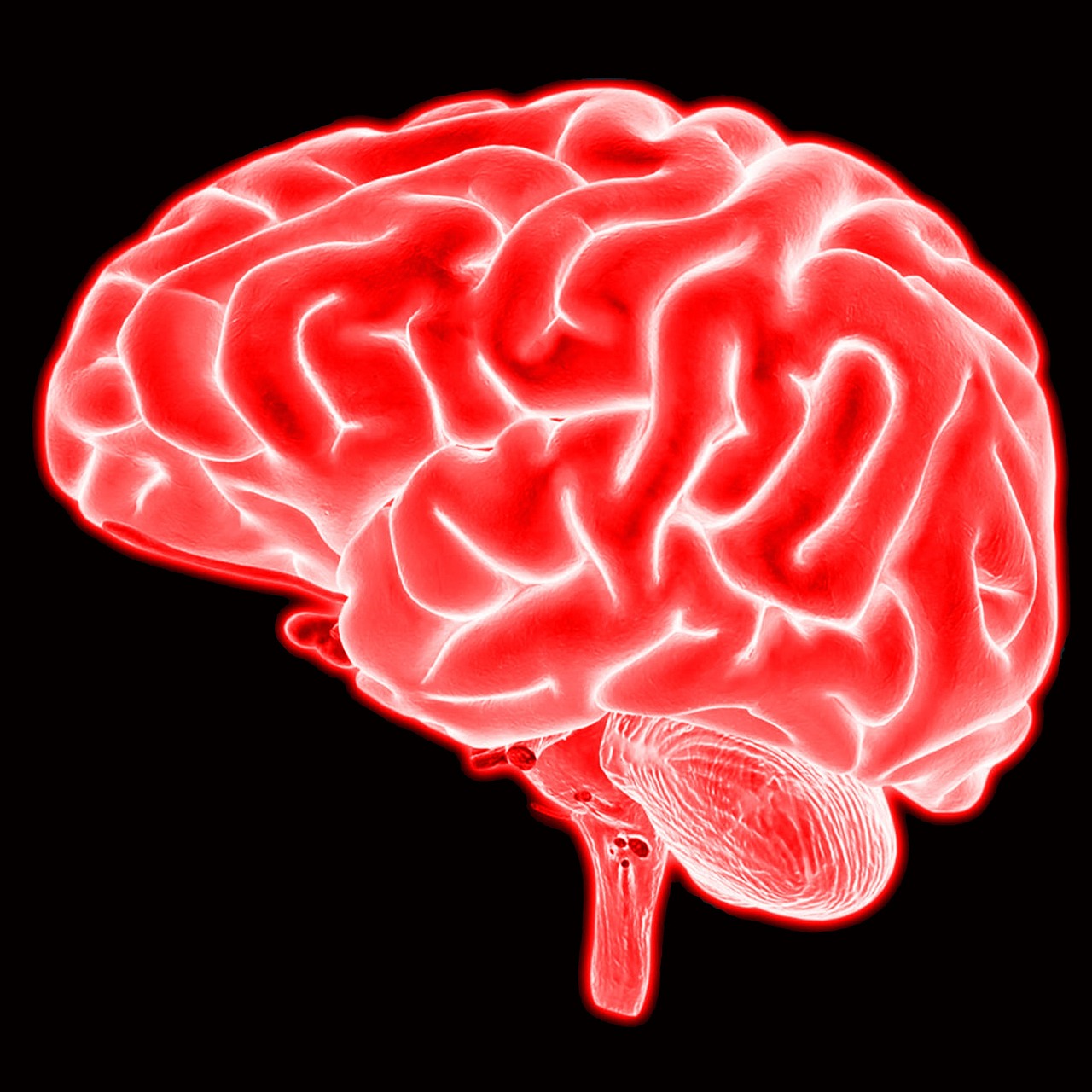
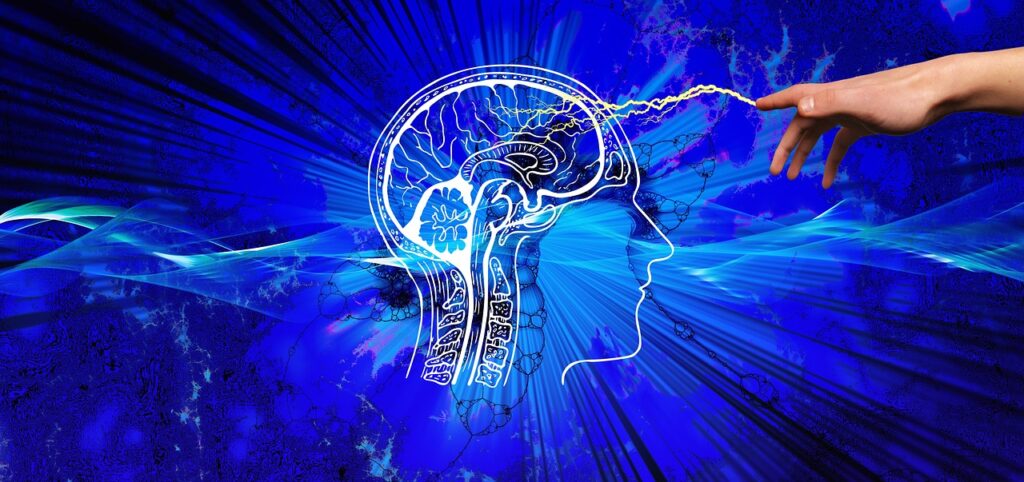
The brain is not mainly reacting to the world. It is constantly predicting it.
That idea has been sitting with me since the conference, especially in relation to the work I do in counselling people struggling with Compulsive Sexual Behaviour Disorder (CSBD) and problematic pornography use.
The Brain as a Prediction Machine
We often imagine the brain as something that reacts to events. Something happens, we feel something, and then we respond.
But according to Barrett’s research, the brain actually works the other way around.
The brain is constantly asking something like:
Based on everything I’ve experienced before, what is most likely happening right now?
From there it starts generating predictions:
- what sensations in the body mean
- what emotion might be occurring
- what action should be taken
In other words, the brain is not waiting for the world to tell it what is happening. It is guessing first, and then checking whether the guess was right.
Those guesses are based on past experience.
Which means our history shapes how we interpret the present.
The Same Body Signal Can Mean Different Things
One of the examples shared during the MEMI conference was something very ordinary: a racing heart.
A racing heart could mean different things depending on the context.
It could be:
- fear, if you think you are in danger
- excitement, if you are about to give a talk
- attraction, if you are on a date
The physical signal is the same. The body is doing the same thing.
But the meaning changes depending on the brain’s prediction.
That prediction draws from memory, past experiences, language, and culture.
This idea is part of what Barrett calls the Theory of Constructed Emotion. Instead of emotions being hardwired circuits that fire automatically, emotions are constructed interpretations of what the brain thinks is happening.
When the Brain Gets It Wrong
Another concept that struck me during the MEMI conference was the idea of prediction error.
The brain is constantly comparing two things:
What it predicted would happen
and
What actually happened
If the prediction matches reality, nothing really changes. The brain simply continues with the same model.
But when there is a mismatch, something interesting happens.
The brain experiences prediction error.
And prediction error is what drives learning.
In simple terms, the brain says something like:
My model of the world isn’t quite right. I need to update it.
This updating process is how neural pathways gradually change over time.
Why This Matters for Counselling
As I listened to this discussion, I kept thinking about the people I see in the counselling room.
Many of them are caught in powerful cycles involving pornography, shame, and compulsive behaviour.
Often these cycles follow very predictable patterns.
For example:
Stress builds up
→ the brain predicts that pornography will bring relief
→ the person acts out
→ temporary relief occurs
→ shame follows
→ the cycle repeats
Over time, the brain becomes very efficient at predicting this sequence.
The prediction becomes almost automatic.
Before the person even consciously decides anything, the brain has already started moving toward the behaviour it believes will regulate distress.
From the outside, it can look like a failure of willpower. But when you look at it through the lens of predictive brain models, it becomes clearer that learned predictions are playing a huge role.
The Role of Prediction Error in Recovery
This is where the idea of prediction error becomes very important for recovery.
If behaviour is driven by learned predictions, then recovery often involves creating experiences that challenge those predictions.
For example:
Someone may predict that if they share their struggle with another person, they will be rejected.
But if they are met instead with compassion and understanding, something different happens.
There is prediction error.
The brain expected rejection.
But it experienced acceptance.
That gap begins to update the brain’s internal model.
Similarly, someone might predict that urges are unbearable unless they act on them. But if they learn to sit with those urges and discover that the urge eventually passes, the brain learns something new.
Another prediction error.
Slowly, through repeated experiences like this, the brain starts updating its predictions.
And with those new predictions, behaviour begins to change.
Shame and the Predictive Brain
This idea also connects closely to something I see frequently in people struggling with compulsive sexual behaviour: shame.
Shame often creates its own predictive model.
The person begins to believe things like:
“I am broken.”
“I am weak.”
“I will never change.”
Once those predictions take root, they start shaping behaviour.
The brain expects failure. So it anticipates it. And sometimes even moves toward it.
Breaking that cycle often involves creating experiences that contradict those expectations.
Safe relationships. Honest conversations. Gradual behavioural change.
Again, each of these creates small prediction errors that slowly reshape the brain’s expectations.
Regulation Begins Earlier Than We Think
Another part of Barrett’s work, which was discussed at the MEMI conference, that I found helpful is the idea that emotional regulation begins before emotions even fully form.
The brain is constantly managing what she calls “body budgeting.”
It is tracking things like:
- sleep
- stress
- energy levels
- hormones
- physiological signals
All of these influence the predictions the brain makes.
Which means practical factors like sleep, stress management, physical health, and daily rhythms play a bigger role in emotional regulation than we sometimes realise.
For people struggling with addictive patterns, these foundational habits can significantly affect how the brain predicts and responds to urges.
A Simple but Powerful Idea
If I had to summarise the main takeaway from this part of the MEMI conference, it would be this:
The brain uses past experience to predict what our current sensations mean.
And when those predictions are challenged by new experiences, the brain begins to learn and update.
For those of us working in counselling and addiction recovery, this perspective is both humbling and hopeful.
It reminds us that behaviour is rarely random. It is often shaped by deeply learned patterns in the brain.
But it also reminds us that learning can continue.
With new experiences, safe relationships, and intentional practice, the brain can gradually form new predictions.
And sometimes that is where the slow work of healing begins.
Final Thoughts
Attending the MEMI International Asia Conference was a valuable reminder that good counselling often sits at the intersection of neuroscience, psychology, and human relationships.
Understanding how the brain predicts, learns, and updates its models gives us another lens through which to understand struggles like compulsive sexual behaviour.
For those seeking help, the journey often involves more than just stopping a behaviour.
It involves helping the brain learn something new.
And sometimes, change begins with something as small as one unexpected experience that tells the brain:
Perhaps the world is not exactly what you predicted.