
You don’t have to keep living this way. It’s time to make a meaningful and sustainable change.


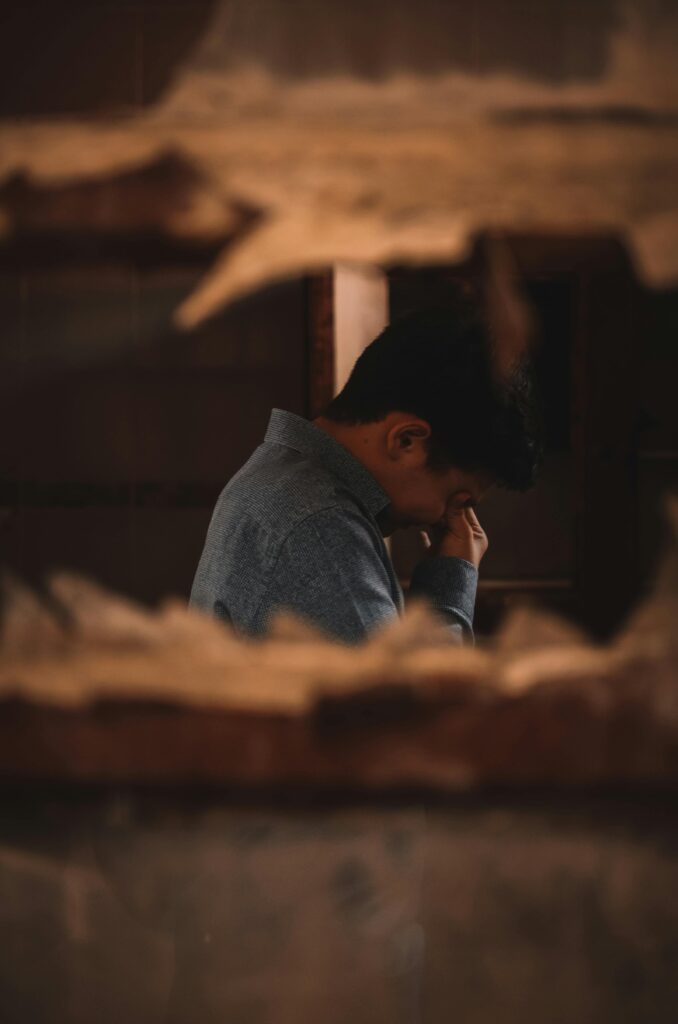

Individual Therapy
Individual counselling offers a safe, confidential space to explore personal challenges with a trained professional. It provides support, clarity, and guidance tailored to your unique needs.
Couples Therapy
Couples and family therapy provides a supportive space to heal relationship wounds, including betrayal trauma. It helps improve communication, rebuild trust, and strengthen emotional connections.
Group Therapy
Group therapy (by invitation only) offers a powerful path to healing by creating a safe, nonjudgmental space where individuals can share their struggles and victories.
As Featured In


Media and Publications
- salt & light – “Tackling porn addiction: What if my spouse or my child is struggling?“
- salt & light – “It’s time to have uncomfortable conversations in the Church. Let’s start with porn“
- salt & light – “What can churches do to create a safe space for those struggling with pornography?“
Speaking Engagements
- Changi General Hospital – “What is Compulsive Sexual Behaviour Disorder?”
- Asia-Pacific Institute of International Studies (APIIS) – “Sex and Porn in the Church”
- International Christian Medical Doctors Association (ICMDA) – “Sex and Porn in the Church”
- Various Churches and Organisations – “What is so bad about watching porn?” and “Effects of Porn Addiction on Individuals and Relationships”
Blog Posts

What is porn addiction? Find out now!

What I Learned at MEMI Asia 2026: The Brain Predicts More Than We Think

Enmeshment-Your Mother Made You Watch Porn! Find Out Now!

Why Does the Devil Want You to Watch Porn? READ NOW!

Do You Have a “Popcorn Brain”? Find Out Now!

Shocking Effects of Porn on the Brain! READ NOW!

Frequently Asked Questions
General Counselling
1. What can counselling help with?
Counselling can support you through a wide range of challenges, including anxiety, depression, trauma, relationship struggles, stress, and behavioural addictions. It provides a safe and confidential space to explore your thoughts, emotions, and patterns, and to work with a professionally-trained Counsellor to move toward meaningful change.
2. How do I know if I need counselling?
If you feel stuck, overwhelmed, emotionally exhausted, or caught in patterns you cannot break on your own, counselling may help. You don’t have to wait for things to become severe—many people seek counselling simply to gain clarity and grow.
3. What can I expect in a counselling session?
Sessions are collaborative and client-centred. We will explore your concerns at your pace, identify patterns, and work toward practical and lasting change that you desire. The space is non-judgmental, respectful, and confidential.
4. What types of therapy do you use?
We offer individual, couple and group therapy using an integrative, neuroscience-based, evidence-based, and trauma-informed approach that includes methods such as Cognitive Behavioural Therapy, MEMI (Multichannel Eye Movement Integration), Solution-Focused Brief Therapy, and Family Therapy, and the CHOICE® model by Sex Addiction Specialist Dr Paula Hall (Laurel Centre, UK).
5. How many sessions will I need?
This varies depending on your goals and the complexity of your concerns. Some clients benefit from short-term support, while others engage in longer-term work, especially for deeper issues like trauma or addiction.
Trauma & MEMI (Multichannel Eye Movement Integration)
6. What is MEMI?
MEMI (Multichannel Eye Movement Integration) is a trauma-informed, content-free, and evidence-based therapeutic intervention that uses specific eye movement sets to process distressing memories. It is particularly helpful for clients who have experienced unresolved traumas.
7. How is MEMI different from other trauma therapies?
Unlike traditional talk therapy alone, MEMI works directly with how memories are stored in the brain. It allows for processing without needing to relive or verbalise every detail of the trauma. This helps to reduce re-traumatization in sessions.
8. Is MEMI safe?
Yes. MEMI is conducted in a structured, paced, and non-invasive way to ensure emotional safety. You remain in control throughout the process, and the work is tailored to your readiness.
9. Do I need to talk about my trauma in detail?
Not necessarily. MEMI does not require you to describe every detail of your experience. The focus is on helping your brain process what is already stored, rather than retelling everything.
Porn Addiction & Compulsive Sexual Behaviours
10. What is porn addiction or compulsive sexual behaviour?
Porn addiction, or Compulsive Sexual Behaviour Disorder (CSBD), involves ongoing patterns of sexual behaviour (e.g., pornography use, masturbation, or other seuxal behaviours) that feel difficult to control despite negative consequences.
11. Is porn addiction really an addiction?
While there is ongoing debate in some circles, many individuals experience real loss of control, escalation, and significant impact on their mental health, relationships, and daily functioning. These patterns are widely recognised and treatable.
12. Why is it so hard to stop watching porn?
Pornography affects the brain’s reward system, reinforcing habits through dopamine. Over time, this can create strong neural pathways, making the behaviour feel automatic—especially under stress, loneliness, or emotional triggers. Research has also shown that prolonged and compulsive porn use can weaken self-control, making it difficult for individuals to stop using without external intervention.
13. How many sessions will I need?
Lasting change usually requires more than willpower. Many struggles with porn are connected to deeper issues such as stress, trauma, emotional wounds, loneliness, or unmet needs. Recovery involves understanding and addressing these underlying drivers.
14. Can I recover from porn addiction?
Yes! Absolutely! Recovery is possible with the right support, structure, and process. This often includes understanding triggers, building new habits, addressing emotional roots, resolving past traumas, and restoring healthy relationships and intimacy.
15. Do you work with Christian clients?
Yes, I work with both Christian and non-Christian clients. For those who desire it, counselling can integrate faith, helping you restore intimacy with God and align your recovery with your spiritual values.
16. Is everything confidential?
Yes. All sessions are strictly confidential, in accordance with professional ethical guidelines, except in situations where there is risk of harm to yourself or others, as required by law.
Practical Matters
17. Are sessions conducted online or in-person?
In-person sessions are highly recommended as this allows for the therapeutic rapport to be established between the Client and the Counsellor. However, in certain circumstances, online sessions can also be conducted.
18. How much do you charge for counselling?
Our standard rates are S$180/hr for Individual Counselling and S$270/1.5hrs for Couple/Family Counselling. However, we do extend discounts to students, Christians, and clients with financial difficulties. Please contact us to find out more.
19. Where do you see your clients for in-person counselling?
Currently, we see our clients at a private counselling space in the Central part of Singapore, which is easily accessible by public transport. However, our physical location may change in the future. Please contact us to find out.
20. How do I start counselling?
Simply book a free 30-minute consultation through our contact form. During this session, you’ll have a chance to share your story, ask questions, and understand how therapy can help you move toward freedom and wholeness.
Book Your Free Consultation