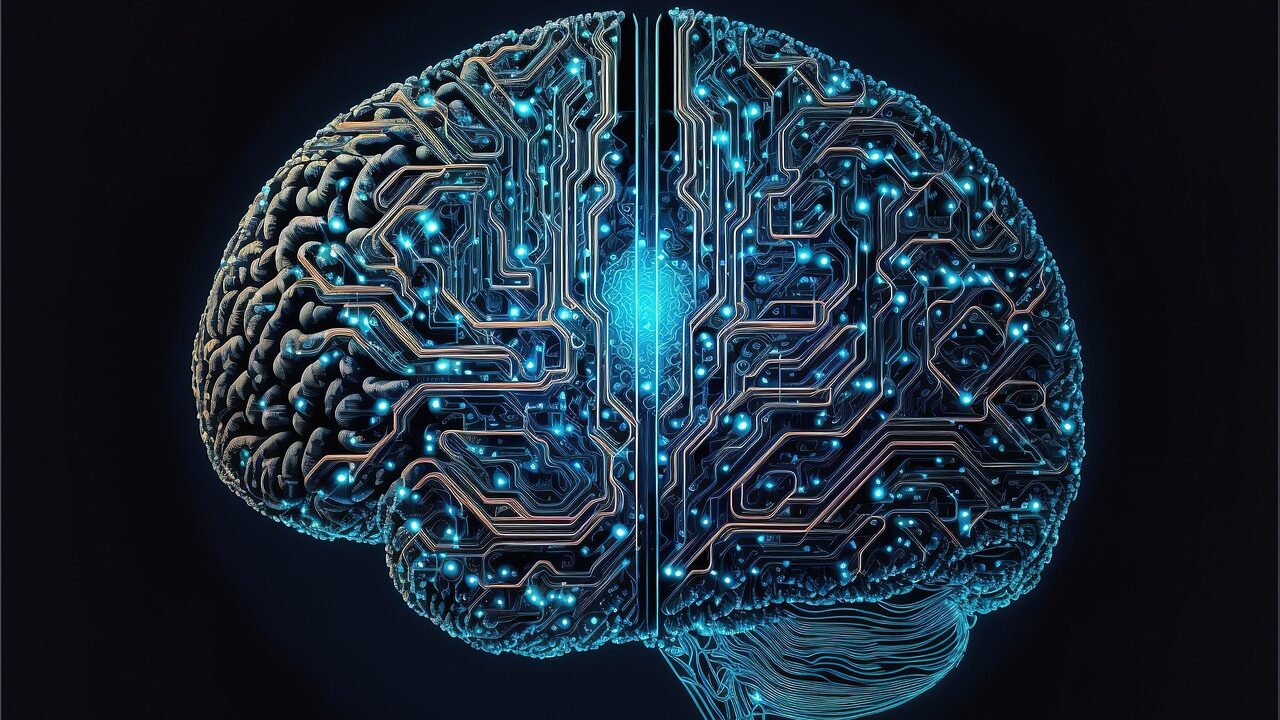
The Dopamine Trap: How Porn Hijacks the Brain’s Reward System
By Jeffrey Pang, Counsellor, MC, Dip. CSBD (ISAT)
When people think about pornography addiction, the conversation often focuses on morality, relationships, or self-control. But at its core, porn addiction is deeply rooted in neuroscience — specifically in how the brain’s reward system responds to dopamine. Understanding this mechanism can help us make sense of why porn is so compelling and why it can become so difficult to quit.
Neuroscientist Dr Anna Lembke summarizes it simply: “We are all vulnerable to compulsive overconsumption in a world engineered to provide immediate pleasure.” Her research shows that modern stimuli—from smartphones to pornography—flood the brain’s reward circuits with more dopamine than they were ever designed to handle.
What Is Dopamine?
Dopamine is a neurotransmitter often called the brain’s “reward chemical.” It plays a critical role in motivation, pleasure, and reinforcement learning. When we do something pleasurable — like eating, exercising, or connecting socially — dopamine is released, encouraging us to repeat the behavior1.
This system is designed for survival: seeking food, bonding with others, and reproducing. But it can also be hijacked by highly stimulating behaviours such as gambling, drugs, and pornography2.
Dr Andrew Huberman, a renowned Neuroscientist from Stanford University, explains that dopamine isn’t just about pleasure; it’s about anticipation. “The craving phase is where dopamine really spikes,” he notes—meaning the brain releases dopamine in pursuit of reward even before satisfaction occurs. Pornography exploits this mechanism by keeping users constantly anticipating the next image, scene, or clip.
Why Porn Hits the Brain Differently
Pornography delivers a unique type of stimulation. Unlike natural sexual encounters, online porn provides an endless variety of novel images and videos at the click of a button. Each new image can produce a dopamine spike — a phenomenon known as the “Coolidge effect,” where novelty itself heightens arousal3.
“It’s one click away.” – Josh McDowell
In real intimacy, dopamine works in harmony with oxytocin and serotonin—chemicals of bonding and satisfaction. But pornography separates arousal from connection, keeping the brain locked in a loop of anticipation without true fulfillment.
Over time, repeated exposure to high-intensity sexual stimuli can desensitize the brain’s reward pathways. Research shows that individuals with problematic pornography use (PPU) often require more extreme or novel material to achieve the same level of arousal, much like tolerance in substance addictions4.
The Cycle of Craving and Compulsion
As tolerance builds, the brain adapts. Natural rewards — such as intimacy with a partner, hobbies, or work accomplishments — may feel less satisfying. Meanwhile, cravings for pornography become stronger, leading to compulsive use despite negative consequences5.
Neuroimaging studies confirm that people with PPU show changes in brain regions similar to those affected in substance addictions, including the ventral striatum (linked to reward) and prefrontal cortex (linked to self-control)6. These changes help explain why willpower alone often isn’t enough.
From a pastoral perspective, this dynamic echoes a truth from Scripture: “A man is a slave to whatever has mastered him” (2 Peter 2:19). Addiction takes what God designed for intimacy and transforms it into captivity.
The Role of Shame and Reinforcement
After acting out, many individuals experience shame, guilt, or regret. Ironically, these painful emotions can trigger further cravings, as the brain seeks dopamine to escape discomfort. This creates a self-reinforcing loop: craving → use → shame → craving. Without intervention, the cycle tends to escalate.
Dr Lembke calls this the “pleasure-pain balance.” Every high tips the scale toward pain, and unless a person allows time for balance to restore, they seek the next high to dull withdrawal. That’s why frequent porn use often leads not to pleasure, but to emotional numbness and despair.
Spiritually, shame whispers “you are beyond hope,” yet the truth is that healing begins exactly where shame ends.
Psalm 34:5 reminds us:
“Those who look to him are radiant;
their faces are never covered with shame.”
When people bring their struggle to God and look to Him for healing, the cycle can begin to break.
Breaking Free from the Dopamine Trap
The good news is that the brain is plastic — it can change. Reducing or abstaining from porn allows dopamine pathways to recalibrate, often restoring sensitivity to natural rewards over time1.
This process, sometimes called “dopamine fasting” or neurochemical reset, can feel uncomfortable at first. People may experience irritability, boredom, or emotional flatness as their brains heal—but these are signs of recovery, not failure.
Therapeutic approaches such as cognitive-behavioural therapy (CBT), mindfulness, and trauma-informed care can help individuals manage triggers, restructure habits, and address underlying issues like anxiety or attachment wounds5.
Dr Huberman emphasizes that habits of recovery are built through repetition: “Neuroplasticity requires focus and repetition.” In counselling, we help clients practice small, consistent actions—journaling, exercise, prayer, and honest conversation—that teach the brain new patterns of reward.
Lifestyle changes — exercise, sleep, social connection, and purposeful work — also play a critical role in supporting recovery. Each healthy behaviour releases balanced amounts of dopamine, gradually restoring the brain’s capacity for joy and motivation.
“Do not conform to the pattern of this world, but be transformed by the renewing of your mind.” — Romans 12:2
Faith-based recovery reframes the journey not as deprivation, but as transformation—learning to seek satisfaction in what truly nourishes rather than what numbs.
Conclusion
Porn addiction isn’t just about lack of willpower. It’s about a powerful neurochemical system being hijacked by endless novelty and stimulation. By understanding how dopamine fuels compulsive porn use, we can replace shame with insight — and empower individuals to take practical steps toward healing.
Recovery takes time, patience, and compassion—but the same brain that was rewired by addiction can be rewired for freedom.
Not sure if porn is becoming a problem? Take a safe, anonymous online screening to get a quick snapshot. (This is a screening tool, not a diagnosis.)
At Sacred Space Counselling, we provide a safe, empathetic space to talk about addiction without shame. Using proven therapeutic approaches and neuroscience-informed interventions, we’ll build a clear, step-by-step plan toward healthier habits and lasting change.
Book a free 30-minute consultation to begin your next step.
References
- Volkow, N. D., & Morales, M. (2015). The brain on drugs: from reward to addiction. Cell, 162(4), 712–725. doi:10.1016/j.cell.2015.07.046
- Love, T., Laier, C., Brand, M., Hatch, L., & Hajela, R. (2015). Neuroscience of Internet pornography addiction: A review and update. Behavioural Sciences, 5(3), 388–433. doi:10.3390/bs5030388
- Pfaus, J. G., et al. (2012). The role of novelty and context in sexual behaviour. Current Sexual Health Reports, 4(4), 220–229. doi:10.1007/s11930-012-0012-9
- Bőthe, B., Tóth-Király, I., Demetrovics, Z., & Orosz, G. (2017). The development of the Problematic Pornography Consumption Scale (PPCS). Journal of Sex Research, 54(4-5), 471–483. doi:10.1080/00224499.2016.1191503
- Kraus, S. W., & Rosenberg, H. (2014). The Pornography Consumption Inventory: An instrument designed to measure problematic sexual Internet use. Sexual Addiction & Compulsivity, 21(1-2), 105–122. doi:10.1080/10720162.2014.888370
- Voon, V., et al. (2014). Neural correlates of sexual cue reactivity in individuals with and without compulsive sexual behaviours. PLoS ONE, 9(7), e102419. doi:10.1371/journal.pone.0102419