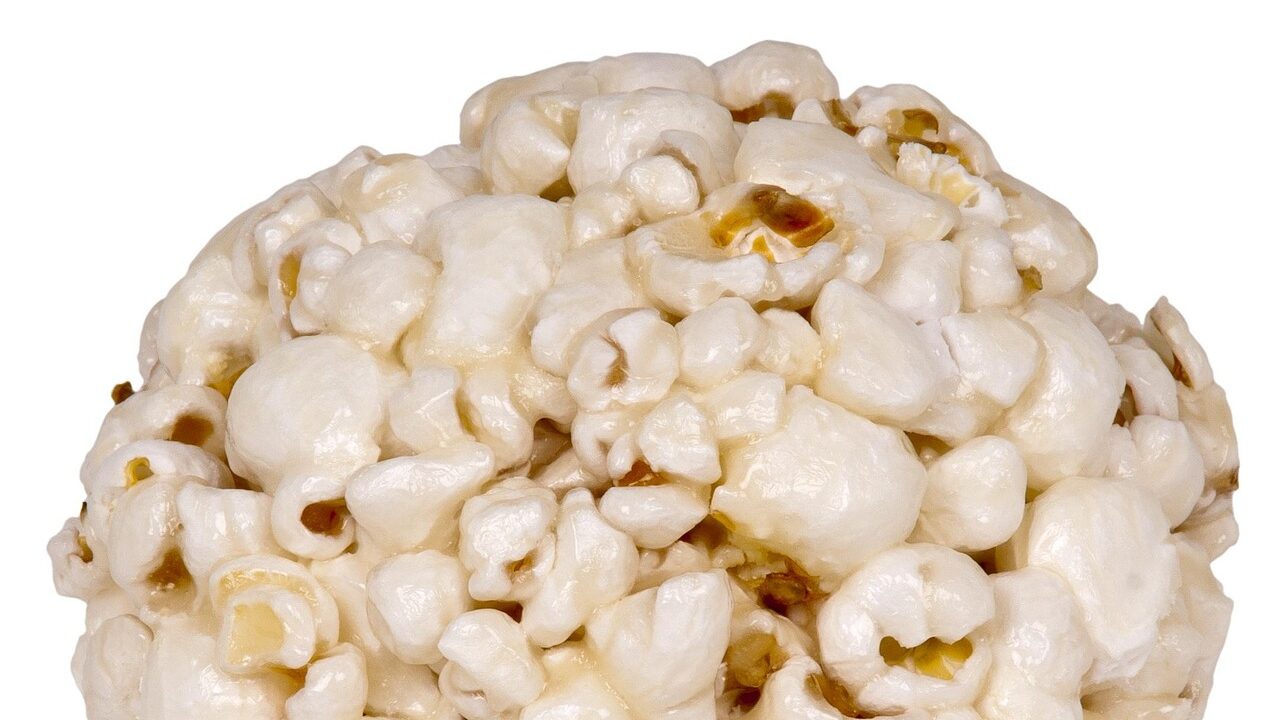
Popcorn Brain: How Digital Overload Rewires the Mind — and How to Heal It
By Jeffrey Pang, Counsellor, MC, Dip. CSBD (ISAT)
In our fast-scrolling world, we’ve trained our brains to live on speed.
Every ping, scroll, and swipe gives us a tiny burst of excitement — a hit of dopamine that keeps us chasing the next notification. Over time, our minds adapt to this constant stimulation. The result? What researchers call “popcorn brain.”
What On Earth Is Popcorn Brain?
The term “popcorn brain” was coined by University of Washington researcher Dr. David Levy to describe the mental state that develops from constant digital stimulation1.
Just like popcorn kernels popping rapidly in a pan, a brain exposed to endless screens, notifications, and multitasking starts to jump from one thought to another, unable to slow down or focus.
It’s not an official diagnosis, but it’s a real psychological phenomenon recognised by counsellors and neuroscientists alike.
Popcorn brain happens when our dopamine system — the brain’s reward network — becomes overstimulated. Each digital cue (a like, a message, a new video) delivers a quick reward. Soon, our brain expects constant novelty and struggles to stay engaged with anything slow, quiet, or deep — including prayer, study, or rest.
Signs You Might Have Popcorn Brain
Popcorn brain can affect anyone who spends long hours online — students, professionals, parents, even those serving in ministry.
Here are common signs:
- You can’t focus for long.
You open your Bible or start a task but can’t get past a few minutes without distraction. - You feel anxious when your phone isn’t nearby.
That “itch” to check messages is dopamine withdrawal. - You crave stimulation.
Quiet feels boring. Your mind demands more scrolling, more noise, more novelty. - You struggle to rest.
Even when you’re off work, your brain feels busy, jumpy, restless. - Real life feels flat.
Normal activities — conversation, meals, worship — don’t give the same excitement as screens.
The Neuroscience Behind It
Your brain’s dopamine system rewards behaviour that helps you survive — food, connection, learning. But digital media hijacks that same pathway.
Each notification releases dopamine; each scroll delivers novelty. The more hits you get, the more your brain craves them.
Over time, your dopamine receptors become desensitised. Ordinary life feels dull, so you reach for even more stimulation — creating a self-reinforcing loop.
Neuroscientist Anna Lembke describes this in her book Dopamine Nation:
“We’ve turned the world into a dopamine overload… the more we consume, the less pleasure we feel.”
This cycle doesn’t just affect mood — it shapes behaviour, relationships, even spiritual life. In counselling, many clients describe being “mentally restless” or “unable to pray.”
That’s popcorn brain in action: the neural consequence of living without silence.
The Emotional and Spiritual Impact
Popcorn brain isn’t just about distraction — it’s about disconnection.
When the mind is overstimulated, emotions flatten. We lose empathy and presence. We might feel spiritually distant, unable to hear God’s voice in the noise.
Many who struggle with compulsive pornography or digital addiction experience popcorn brain as part of their recovery challenge.
Their brains have been trained to crave instant pleasure and escape discomfort. The quiet of real intimacy — with God or others — can feel foreign or even frightening.
Spiritually, popcorn brain robs us of attentiveness — the ability to dwell, listen, and be still before God.
Yet Scripture reminds us:
“Be still, and know that I am God.” — Psalm 46:10
Stillness is not natural to an overstimulated brain, but it is deeply healing.
How to Heal from Popcorn Brain

The good news? The brain can change.
Through neuroplasticity, new habits and rhythms can rewire the mind toward peace and focus.
Here’s how to begin:
1. Digital Detox with Intention
Try a 24-hour break from screens each week — a “digital Sabbath.”
Use that time to rest, journal, walk, pray, or simply breathe.
Even short daily breaks (no-phone mornings or device-free dinners) can restore calm.
2. Practice Deep Rest
Rest is not laziness — it’s neural recovery.
Sleep, nature, and unhurried meals allow the brain’s dopamine system to reset.
As your nervous system calms, focus returns.
3. Re-train Your Attention
Start small: read Scripture for five minutes without checking your phone.
Over time, extend your attention span like a muscle.
You’ll notice peace growing as your brain learns to slow down.
4. Engage All Your Senses
Touch, taste, smell, hear, observe — God gave these to anchor us in the present.
Slow sensory activities (eating, fellowship, worship) release serotonin and oxytocin, balancing dopamine highs.
5. Seek Connection, Not Consumption
Popcorn brain thrives in isolation.
Join a small group, talk face-to-face, pray with others.
Authentic connection resets the reward system more powerfully than screens ever can.
Faith, Focus, and Renewal
At Sacred Space Counselling, we believe renewal isn’t just mental — it’s spiritual.
Jesus often withdrew to lonely places to pray (Mark 1:35, Luke 4:42, 5:16). He modelled the rhythm our brains crave: engagement and rest, work and silence.
Healing from popcorn brain is really about rediscovering sacred stillness — where your mind slows down enough to sense God’s peace again.
Recovery begins when you trade constant stimulation for quiet communion.
“Do not conform to the pattern of this world, but be transformed by the renewing of your mind.” — Romans 12:2
Finding Help
If you’ve been feeling scattered, anxious, or restless, you’re not alone.
Popcorn brain is a modern symptom of a world that never stops.
But healing is possible — through intentional rest, therapy, and grace.
At Sacred Space Counselling Singapore, we help individuals break free from digital and sexual compulsions, rebuild focus, and rediscover peace through a faith-integrated approach.
Your brain can heal.
Your mind can renew.
Your soul can rest again.
If you’re unsure, you can take a Confidential Sex Addiction Survey to better understand your patterns (This is not a diagnosis but simply an assessment).
- Levy, D. M. (2011, June). Popcorn brain: How the internet is changing the way we think. University of Washington Information School; referenced in CNN Health article “Popcorn Brain: How the Internet is Changing Our Brains.” CNN Health. https://edition.cnn.com/2011/HEALTH/06/23/tech.popcorn.brain.mf/index.html ↩︎