


Escaping the Dopamine Rollercoaster: Practical Steps for Rewiring the Brain
Understanding the brain’s reward system and practical ways to rewire it
By Jeffrey Pang, Counsellor, MC, Dip. CSBD (ISAT)
In today’s world, we are surrounded by endless stimulation — from social media to video games, and for many, pornography. Each click, swipe, or new image triggers a burst of dopamine, the brain’s “reward chemical.” Over time, this constant stimulation can create what some researchers call the “dopamine rollercoaster”: highs of instant gratification followed by lows of boredom, distraction, and craving. Escaping this cycle isn’t just about willpower; it’s about rewiring the brain to pursue deeper satisfaction and purpose.
As Romans 12:2 reminds us:
“Do not conform to the pattern of this world, but be transformed by the renewing of your mind.”
Healing begins when we understand how the brain was designed — and how grace and wisdom can guide us to live in alignment with that design again…
Understanding the Dopamine Rollercoaster
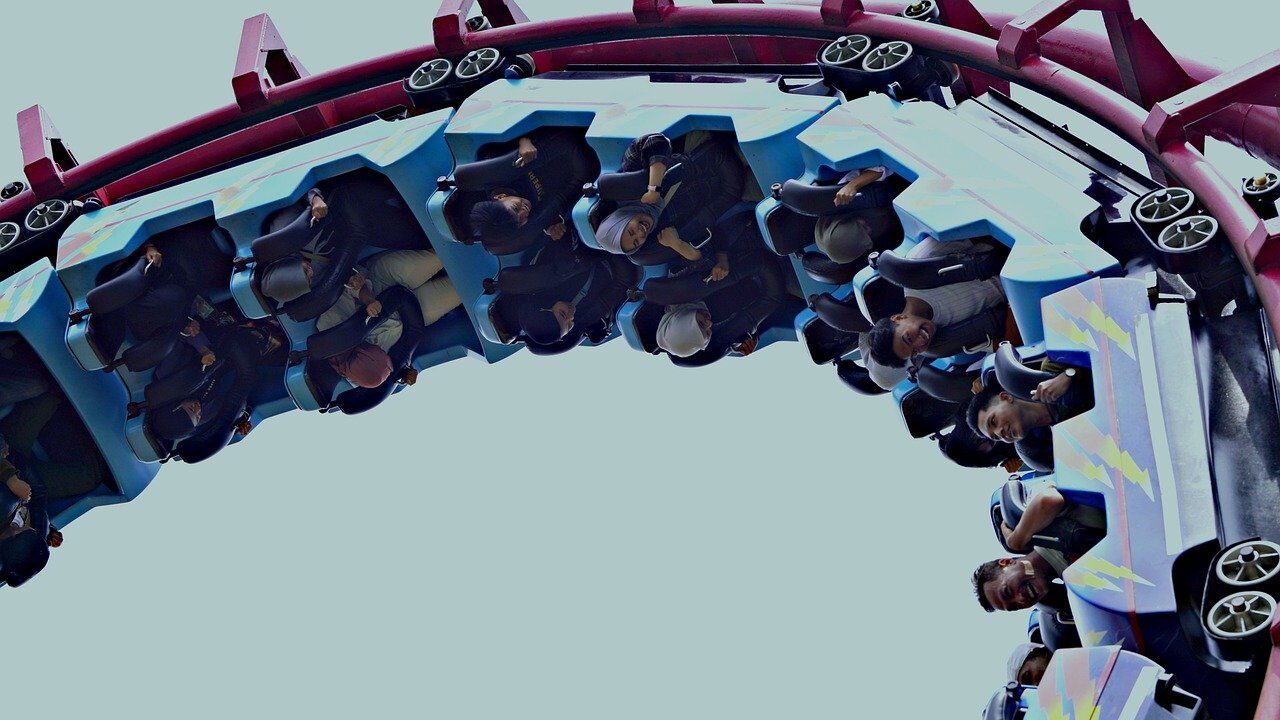
Dopamine is essential for motivation and learning. It helps us pursue goals and reinforces rewarding behaviours. But the brain is designed to respond to novelty — each new stimulus spikes dopamine, making the next “hit” highly tempting1.
With repeated exposure to highly stimulating digital content, such as pornography, the brain adapts. Baseline dopamine activity drops, natural pleasures lose their spark, and cravings for artificial stimulation grow stronger2.
This leads to emotional instability, brain fog, procrastination, and dissatisfaction with ordinary life. Spiritually, we might describe this as the numbing of the soul — when the pursuit of quick pleasure replaces the joy of real connection and purpose.
“The eye is the lamp of the body. If your eyes are healthy, your whole body will be full of light.” — Matthew 6:22
Porn and digital overstimulation dim that inner light. But there is hope: through intentional steps, the brain’s reward system can be restored.
Step 1: Practice Mindfulness

Mindfulness interrupts the automatic cycle of craving and acting out. Studies show that mindfulness-based interventions reduce compulsive behaviours by increasing awareness of triggers and enhancing emotional regulation3.
Instead of reacting impulsively, mindfulness helps you pause and observe: What am I feeling right now? What am I really needing?
From a Christian perspective, mindfulness mirrors biblical meditation — slowing down to realign our attention toward God’s presence and peace.
“Be still, and know that I am God.” — Psalm 46:10
As you practice awareness, you weaken the automatic link between stress and compulsion, creating space for grace and choice.
Step 2: Exercise for Natural Dopamine
Physical activity is one of the most effective and natural ways to rebalance dopamine. Exercise boosts dopamine and serotonin, helping the brain experience pleasure in healthy ways4.
Even simple activities — a 30-minute walk, stretching, cycling, or swimming — promote long-term dopamine sensitivity. Clients who integrate regular movement often report better sleep, fewer cravings, and a more hopeful outlook.
“Do you not know that your bodies are temples of the Holy Spirit…?” — 1 Corinthians 6:19
Caring for the body is not vanity; it’s an act of worship. Each step, stretch, or breath becomes part of your recovery — a declaration that your body and mind belong to God.
Step 3: Embrace Healthy Novelty
The human brain is drawn to new experiences. That’s why porn and endless scrolling feel so addictive — they constantly provide novelty. But there are healthier ways to satisfy that God-given curiosity.
Healthy novelty includes learning a new skill, volunteering, exploring nature, trying a hobby, or developing a creative passion. These activities release dopamine in a sustainable, growth-oriented ways5.
When novelty is channeled into meaningful pursuits, it reignites joy and purpose.
“Whatever you do, work at it with all your heart, as working for the Lord.” — Colossians 3:23
Replace the artificial thrill of instant pleasure with the authentic satisfaction of growth, connection, and worship.
Step 4: Improve Sleep and Daily Rhythms
Sleep deprivation disrupts dopamine regulation, leaving us fatigued, irritable, and impulsive. Research shows poor sleep lowers dopamine receptor availability, reducing motivation and self-control6.
Consistent rest restores the brain’s equilibrium and emotional balance. Try setting digital boundaries — no screens 30 minutes before bed, consistent sleep and wake times, and a calm nightly routine.
Healthy rhythms remind us we are not machines. Rest is not laziness — it’s part of God’s design for renewal.
Step 5: Build Social Connection

Human connection is one of the most powerful natural rewards for the brain. Meaningful relationships release oxytocin and dopamine, which enhance emotional resilience and well-being.
Group therapy, Christian recovery programs, and accountability partnerships provide safety and encouragement.
Studies show that belonging to a supportive community significantly reduces compulsive behaviours and helps sustain recovery change7.
“Carry each other’s burdens, and in this way you will fulfill the law of Christ.” — Galatians 6:2
Connection counters isolation — the soil where addiction grows. Healing begins when we let ourselves be seen and supported.
Living Renewed: From Compulsion to Freedom
Escaping the dopamine rollercoaster isn’t about eliminating pleasure — it’s about rediscovering true joy. It’s about retraining the brain — and the heart — to delight in what is good, holy, and life-giving.
The process takes time, but every small step builds new neural pathways. Each choice to pause, pray, rest, or connect moves the brain toward balance — and the soul toward freedom.
“You make known to me the path of life;
you will fill me with joy in your presence,
with eternal pleasures at your right hand.” — Psalms 16:11
In today’s digital world, porn is a highly accessible and anonymous form of mindless stimulation. Not sure if porn is becoming a problem? Take a safe, anonymous online screening to get a quick snapshot. (This is a screening tool, not a diagnosis.)
At Sacred Space Counselling, we help men and women in Singapore break free from porn addiction and digital overstimulation. Using faith-based, neuroscience-informed therapy, we guide you in rebuilding healthy dopamine rhythms — leading to greater clarity, motivation, and peace.
You are not defined by your habits or your past. Your brain can heal. Your heart can be renewed. And your story can reflect redemption.
Are You Ready to Begin?
If pornography or compulsive behaviours have left you drained or distracted, take the first step toward healing.
Book a free 30-minute consultation with Sacred Space Counselling — where neuroscience meets grace, and every story finds hope.
“Create in me a clean heart, O God, and renew a right spirit within me.” — Psalm 51:10
References
- Berridge, K. C., & Robinson, T. E. (2016). Liking, wanting, and the incentive-sensitization theory of addiction. American Psychologist, 71(8), 670–679. doi:10.1037/amp0000059
- Love, T., Laier, C., Brand, M., Hatch, L., & Hajela, R. (2015). Neuroscience of Internet pornography addiction: A review and update. Behavioural Sciences, 5(3), 388–433. doi:10.3390/bs5030388
- Garland, E. L., Froeliger, B., & Howard, M. O. (2014). Mindfulness training targets neurocognitive mechanisms of addiction at the attention-appraisal-emotion interface. Frontiers in Psychiatry, 4, 173. doi:10.3389/fpsyt.2013.00173 ↩
- Greenwood, B. N., & Fleshner, M. (2011). Exercise, stress resistance, and central serotonergic systems. Exercise and Sport Sciences Reviews, 39(3), 140–149. doi:10.1097/JES.0b013e31821f7e45
- Bunzeck, N., & Düzel, E. (2006). Absolute coding of stimulus novelty in the human substantia nigra/VTA. Neuron, 51(3), 369–379. doi:10.1016/j.neuron.2006.06.021
- Volkow, N. D., et al. (2012). Sleep deprivation decreases binding of [11C]raclopride to dopamine D2/D3 receptors in the human brain. Journal of Neuroscience, 32(19), 6711–6717. doi:10.1523/JNEUROSCI.3769-11.2012 ↩
- Yalom, I. D., & Leszcz, M. (2020). The theory and practice of group psychotherapy (6th ed.). New York: Basic Books.

